TECHNICAL CAPABILITY

From technical
requirement to
coordinated supply.

When a buyer shares a drawing, component reference, specification or other technical information, STHIRASHRI first works to establish a clear technical basis for the requirement.

We then align that requirement with suitable manufacturing capability, define how the important technical requirements will be verified, and maintain the same agreed basis through quotation, manufacturing coordination, documentation review and dispatch.

The objective is to reduce avoidable differences between what is required, what is understood, and what is ultimately supplied.

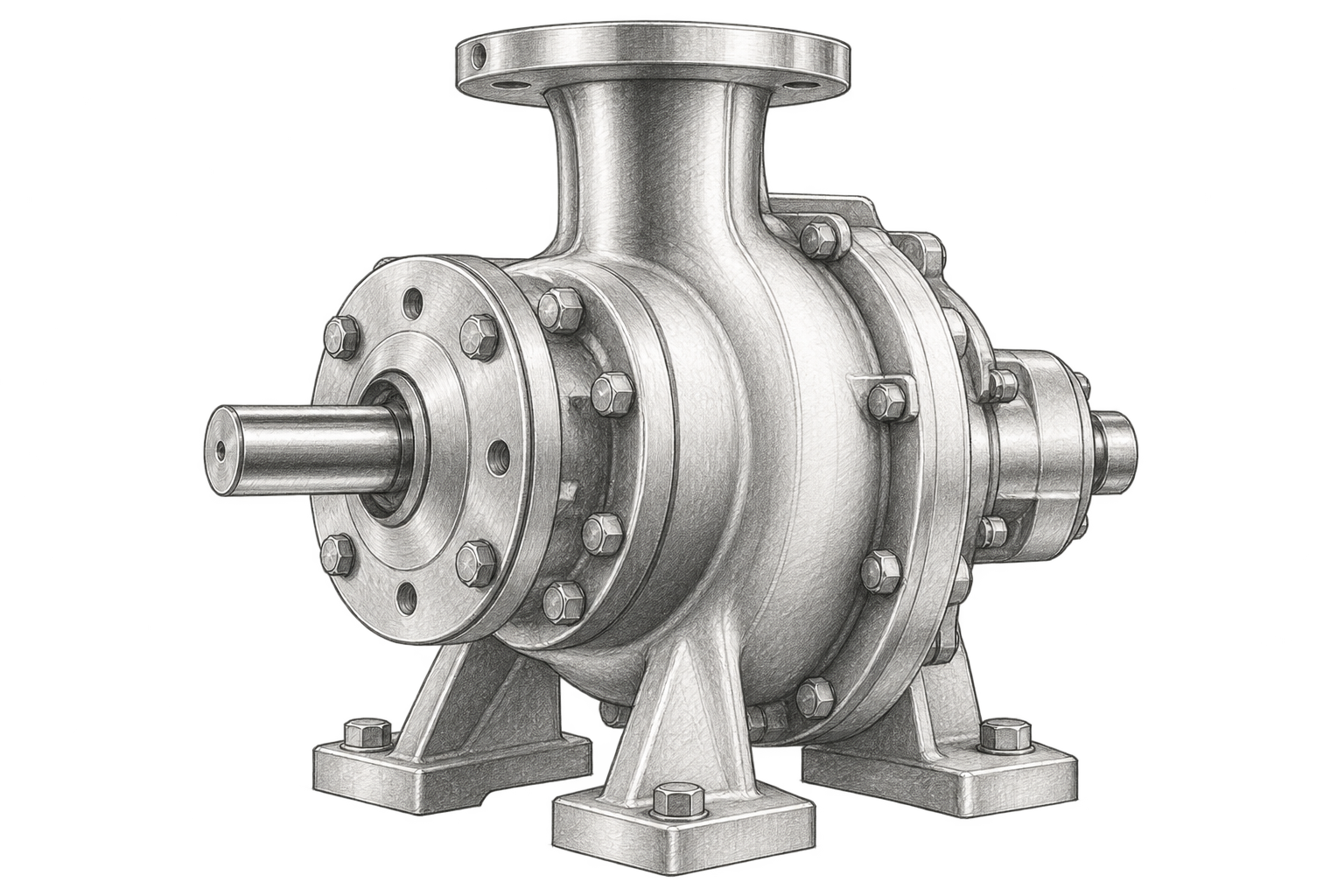
Graphite pencil illustration of a centrifugal pump casing with a front shaft, bolted flanges and mounting feet

FROM
REQUIREMENT
TO SUPPLY

TECHNICAL BASIS
GENERAL ARRANGEMENT

1 — REQUIREMENT REVIEW

Understand the requirement
before moving forward.

A technical enquiry begins with the information available from the buyer.
We review the component reference or drawing together with the technical requirements that define the part.

Depending on the requirement, this can include:

COMPONENT DEFINITION

The drawing, part reference, pump or equipment reference and other information used to identify the component.

MATERIAL & GEOMETRY

The specified material, dimensions, tolerances, fits, surface requirements or other relevant technical characteristics.

APPLICATION INFORMATION

Operating or service conditions where they materially affect the component requirement.

INSPECTION & DOCUMENTATION NEEDS

Any known inspection, traceability or supporting-document requirements that need to be considered from the beginning.

If an important technical point is missing or unclear, it is identified for clarification rather than treated as an assumption.
The aim is to reach a requirement that is clear enough to evaluate correctly and move forward.

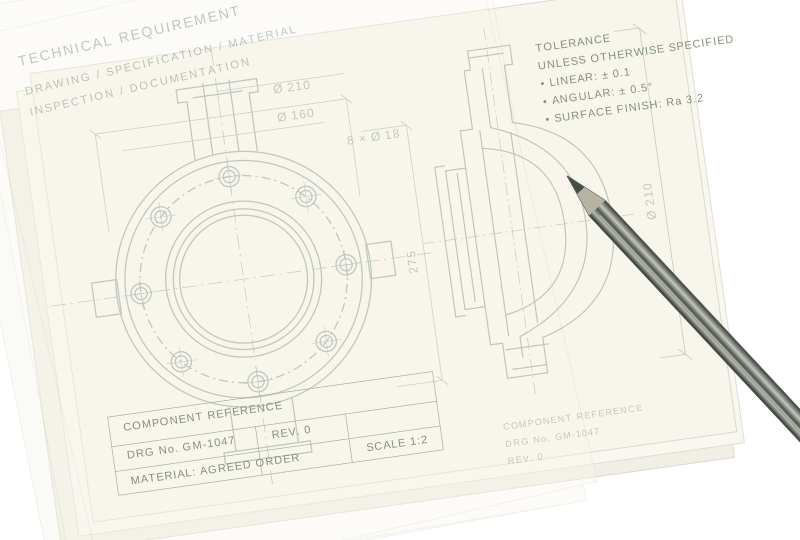
Layered technical drawing sheets with front and section views, dimensions, component reference table and a pencil

DEFINED
REQUIREMENT

2 — MANUFACTURING CAPABILITY ALIGNMENT

Match the requirement with
manufacturing capability that fits it.

Once the requirement is sufficiently defined, the next step is to determine what manufacturing capability is actually needed to support it.

The assessment is based on the component requirement rather than simply on whether a supplier is available to quote.

MANUFACTURING PROCESS

The required manufacturing route and processes that are suitable for the component.

MATERIAL CAPABILITY

The specified or applicable material requirement should be within the manufacturing partner’s capability.

DIMENSIONAL & INSPECTION CAPABILITY

The manufacturing partner must be able to control and verify the dimensions, tolerances and required inspection requirements relevant to the part.

DOCUMENTATION CAPABILITY

The manufacturing partner must be able to provide the applicable material, inspection and traceability records required for the supply.

The technical requirement determines the capability needed.

The objective is therefore not merely to obtain a price, but to align the requirement with a manufacturing partner capable of executing it properly.

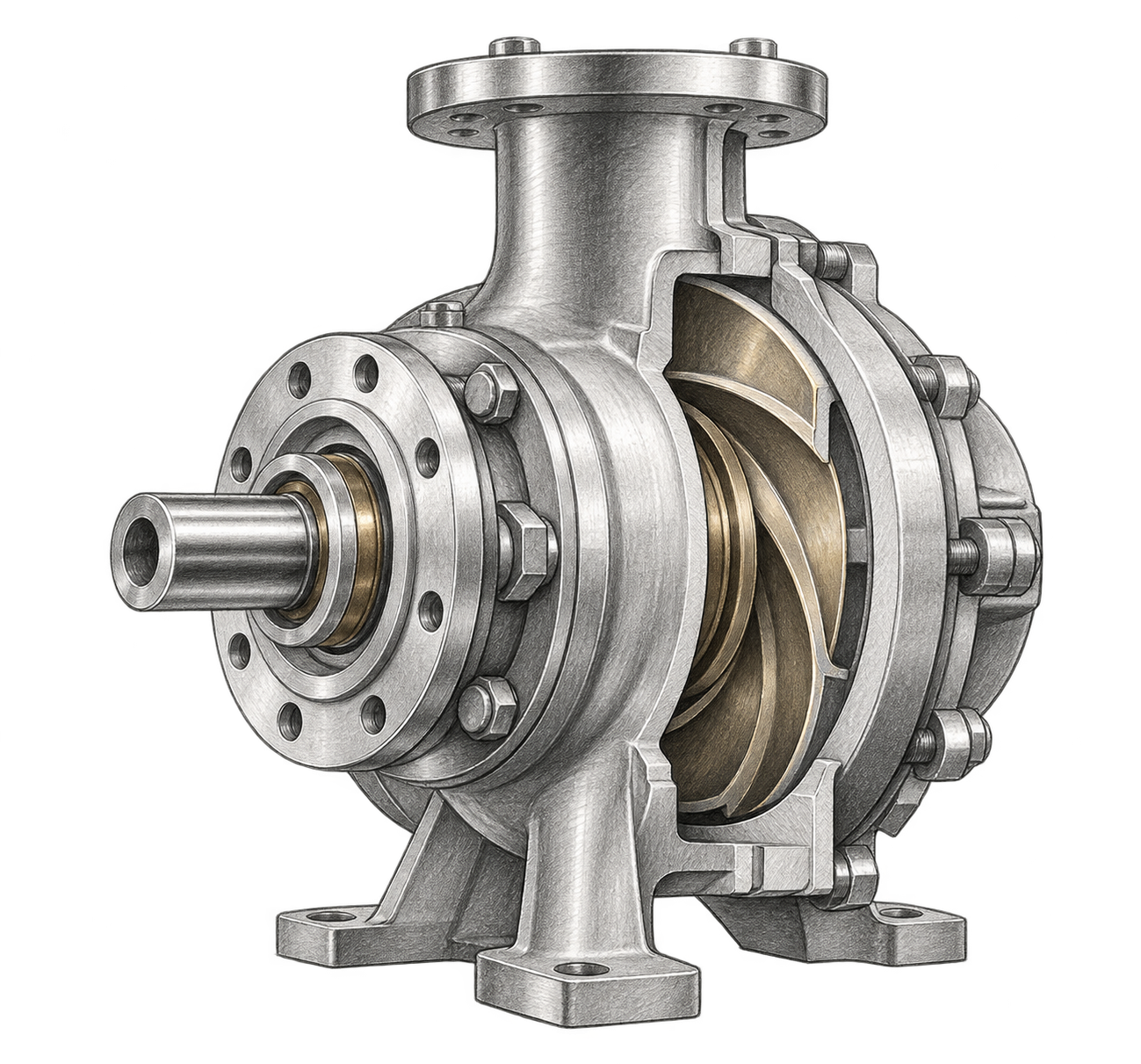
Pencil cutaway illustration of a pump showing its casing, shaft and curved impeller vanes

MANUFACTURING
PROCESS

MATERIAL
CAPABILITY

DIMENSIONAL &
INSPECTION CAPABILITY

DOCUMENTATION
CAPABILITY

ALIGNING REQUIREMENTS
WITH CAPABILITY

3 — VERIFICATION REQUIREMENTS

Agree how the important
requirements will be checked.

Before the order proceeds, there should be a clear understanding of how the important technical requirements will be verified.

The required level of verification depends on the component and the buyer’s requirement.

It may include:

  • dimensional checks
  • material evidence
  • specified inspection requirements
  • traceability information
  • supporting technical records

The level of verification should match the technical requirement and the level of evidence expected with the supply.

The aim is to make sure that everyone understands:
what matters technically, what needs to be checked, and
what evidence is expected with the supply.

The detailed handling of inspection records, material documentation, traceability and supporting evidence is covered separately under Quality & Traceability.

INSPECTION REPORT

MATERIAL CERTIFICATE

DIMENSIONAL REPORT

TRACEABILITY RECORD

4 — TECHNICAL CONTINUITY THROUGH SUPPLY

Keep the agreed technical basis
connected from quotation to dispatch.

Clarifying the requirement at the beginning is useful only if the same understanding continues through the rest of the order.

QUOTATION & ORDER

The quotation and order remain aligned with the agreed component reference, specification, material, quantity, technical requirements, inspection needs and documentation expectations.

DURING MANUFACTURING

If an important technical question, proposed alternative or change arises during execution, it should be clarified before proceeding, rather than becoming an uncontrolled assumption.

BEFORE DISPATCH

Applicable verification results and supporting documents are reviewed against the agreed requirement where required, and any outstanding technical point is clarified before shipment coordination.

Requirement → Clarification →
Capability Alignment → Verification → Supply

Each stage should remain connected to the same agreed technical basis.

HAVE A TECHNICAL REQUIREMENT?

Start with the information you have.

You do not need to prepare a perfect technical package before contacting STHIRASHRI.
Share the drawing, component reference, specification or other technical information available.
We will review the requirement, identify any clarification needed and confirm the appropriate next step within our supported scope.