Shaft sleeve supply coordination
For a shaft sleeve requirement, STHIRASHRI coordinates technical clarification and commercial review with relevant manufacturing capability. The enquiry must establish the particular sleeve geometry and service requirements before a supply commitment is made.
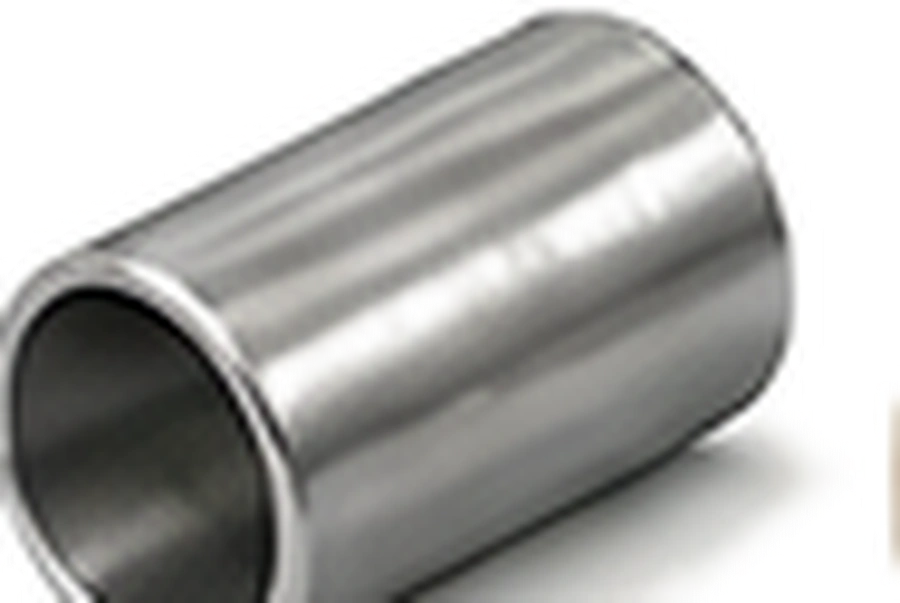
Plain and stepped sleeve interfaces
A plain sleeve and a stepped sleeve can require different locating and inspection arrangements. Identify the bore fit, outside working surface and axial reference. Include shoulders, grooves and sealing details in the drawing rather than leaving them to interpretation from an image.
For a repeat order, confirm whether any earlier deviation was temporary. Retain the accepted drawing and first-piece report so the next batch uses the intended definition.
Prepare a quotation from India
Send the drawing revision, quantity, material condition, inspection records and delivery destination. State whether the request is a like-for-like replacement or an approved modification. A defined enquiry makes supplier offers easier to compare and separates component cost from any additional documentation, packing and shipment scope.
Define the sleeve, not only the pump model
A shaft protecting sleeve can protect a shaft from wear or corrosion in the seal area. The actual arrangement depends on the pump design. A model reference helps identification but does not replace an approved part definition.
| Specification area | Information for review |
|---|---|
| Geometry | Drawing number/revision, bore, outside diameters, length, shoulders, grooves and datums |
| Working surfaces | Required finish, geometric tolerances and any specified treatment |
| Material | Exact grade, condition and required evidence |
| Order scope | Quantity, inspection records, packing and destination |
Materials and configurations
No universal material grade, dimensional range or stock list is promised. Submit the approved material and configuration; proposed deviations require explicit technical acceptance. If only a sample is available, distinguish measured wear from the intended manufacturing dimensions.
Applications and customization
Identify the assembly, operating environment and interfaces. Custom drawing-based requirements can be submitted for feasibility review. The response will establish the achievable scope, evidence and exclusions; interchangeability with an OEM part is not assumed.
Why a defined review helps
Aligning the drawing, surface requirements and acceptance records before pricing makes offers easier to compare and gives inspection a clear reference.
Questions before ordering
Can you quote from a photograph?
A photograph may support initial identification. It rarely defines the tolerances, material and working surfaces required for a firm manufacturing offer.
Can a worn sample be copied?
A sample may support review, but worn dimensions need assessment against the intended assembly. The responsible parties must approve the resulting definition.
Read the sleeve RFQ guide, drawing control guidance and wear ring enquiry scope.
Technical reference
KSB: Shaft protecting sleeve. Use the equipment manufacturer’s current documentation for the particular assembly.
Explore Products & Scope and Technical Capability for the business enquiry context.
Custom pump shaft sleeves manufactured to drawing
Discuss plain and stepped shaft sleeves for centrifugal pumps using your approved drawing, revision and mating-part information. Mechanical seal pump shaft sleeves require particular attention to the seal arrangement, axial location, sealing surfaces and any specified finish. For multistage pumps, identify the stage or assembly position rather than relying on the external appearance of a worn sleeve.
316L, 17-4PH H1150 and coated shaft sleeve enquiries
If the drawing calls for 316L stainless steel or 17-4PH in the H1150 condition, include the exact material specification, product form and required evidence. Treat the alloy and heat-treatment condition as separate requirements. For HVOF tungsten carbide coated pump shaft sleeves, state the coating specification, finished dimensions, coverage and acceptance criteria. Coating and material availability, manufacturing route and inspection scope are confirmed during technical review; they are not interchangeable catalogue options.