How centrifugal pumps work: parts, flow and buying questions
A centrifugal pump transfers energy from a rotating impeller to liquid. Understanding that action helps buyers discuss flow, performance and spare parts more clearly. It also helps distinguish a complete equipment requirement from a request for one replacement component.
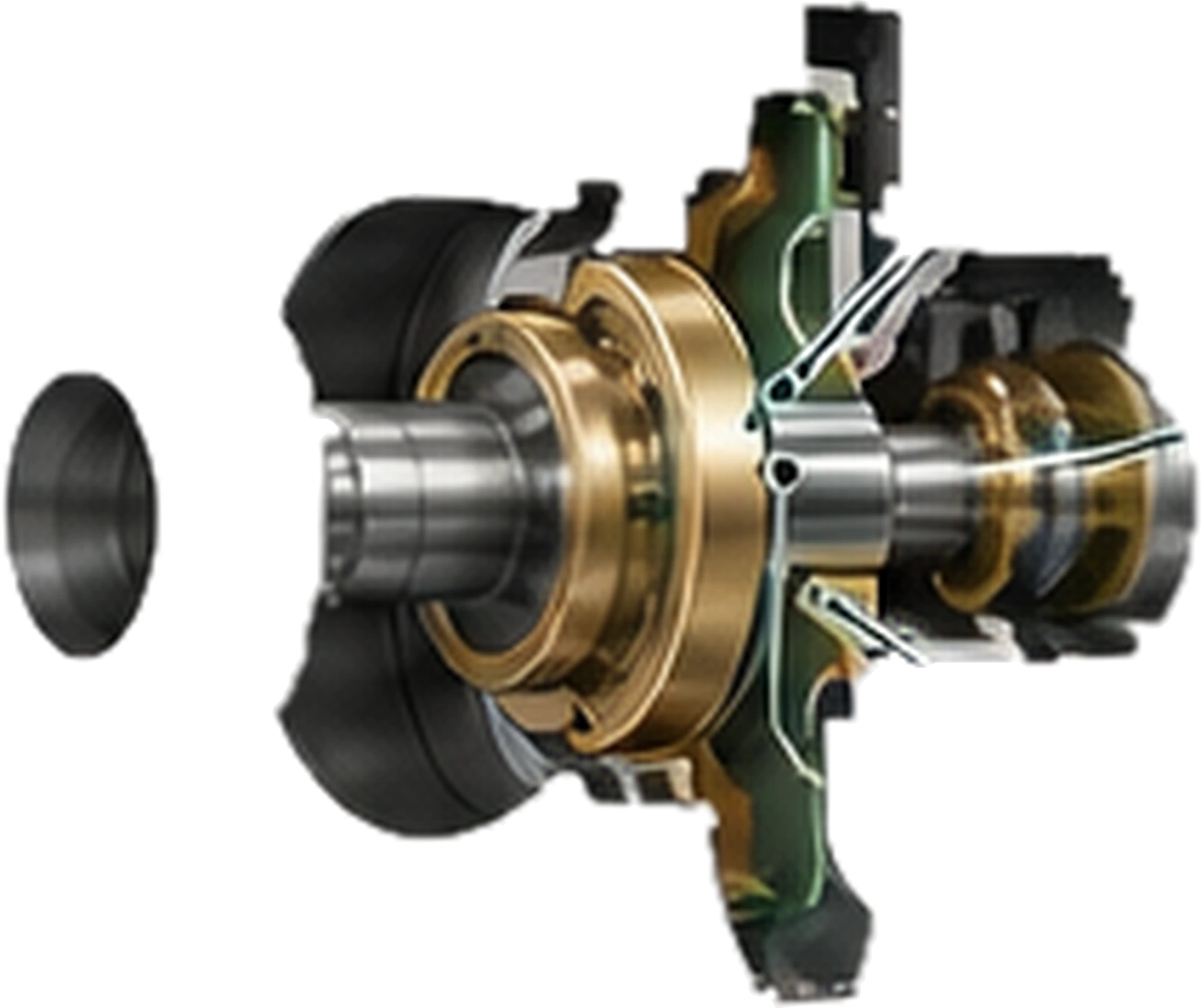
Follow the liquid through a typical pump
In a typical radial-flow arrangement, liquid enters near the impeller centre, receives energy from the rotating impeller and moves outward into the collecting passage. The casing or diffuser arrangement guides it toward discharge. Actual configurations vary; use the equipment documentation for the installed design.
The drive and shaft transmit motion, while other parts help support, locate, seal or protect the assembly. A component illustration is useful for orientation, but it cannot establish the dimensions or material needed for an interchangeable spare.
Understand the component roles
| Component | Enquiry question |
|---|---|
| Impeller and casing | Which hydraulic configuration and equipment reference apply? |
| Shaft sleeve | Which working surfaces and locating features define the part? |
| Wear rings | Which stationary and rotating references form the interface? |
| Selected bushings | What function and location identify this component? |
| Sealing arrangement | Which exact assembly governs the replacement? |
Flow and head are different quantities
Flow is volume per unit time; head describes energy per unit weight of liquid. The pump and system interact to establish operation, so a catalogue maximum is not automatically the duty achieved at a plant. The pump curve guide explains the records to collect before a technical discussion.
Selection versus spare replacement
A new pump selection considers fluid, duty range, installation and performance. For an unchanged spare, the approved component definition is central. If maintenance also wants a material or performance change, identify it as a proposed modification and obtain the relevant technical approval.
For example, copying a worn sleeve from a sample may accidentally reproduce damage as geometry. Label the observed condition separately from target dimensions. The sleeve enquiry guide explains how to organize that distinction.
Make your enquiry specific
Searches for industrial pump suppliers can describe a broad equipment requirement. Searches for shaft sleeve suppliers or casing wear ring quotations describe a narrower need. Tell the supplier which scope you mean, and include equipment reference, available drawings, quantity, receiving date and destination.
STHIRASHRI’s listed scope includes sleeves, casing and impeller wear rings and selected pump bushings. Discussion of other pump parts here does not establish their supply availability. Use the component pages and RFQ checklist to connect the educational information to a defined enquiry.
Questions buyers ask
Does more motor power guarantee more flow?
No. The pump configuration and system duty must be considered rather than selecting by motor rating alone.
Can a photograph establish compatibility?
It supports identification, but approved geometry, material and assembly requirements remain necessary.
Technical references
Hydraulic Institute: pump principles and pump and system operating point.
Explore Products & Scope and Technical Capability for the business enquiry context.