Centrifugal pump spare parts: identification and sourcing guide
A good centrifugal pump spare-parts purchase starts with the exact component and its acceptance requirements. A search for pump spares in India introduces possible suppliers; a controlled enquiry determines whether their offers address the same need.
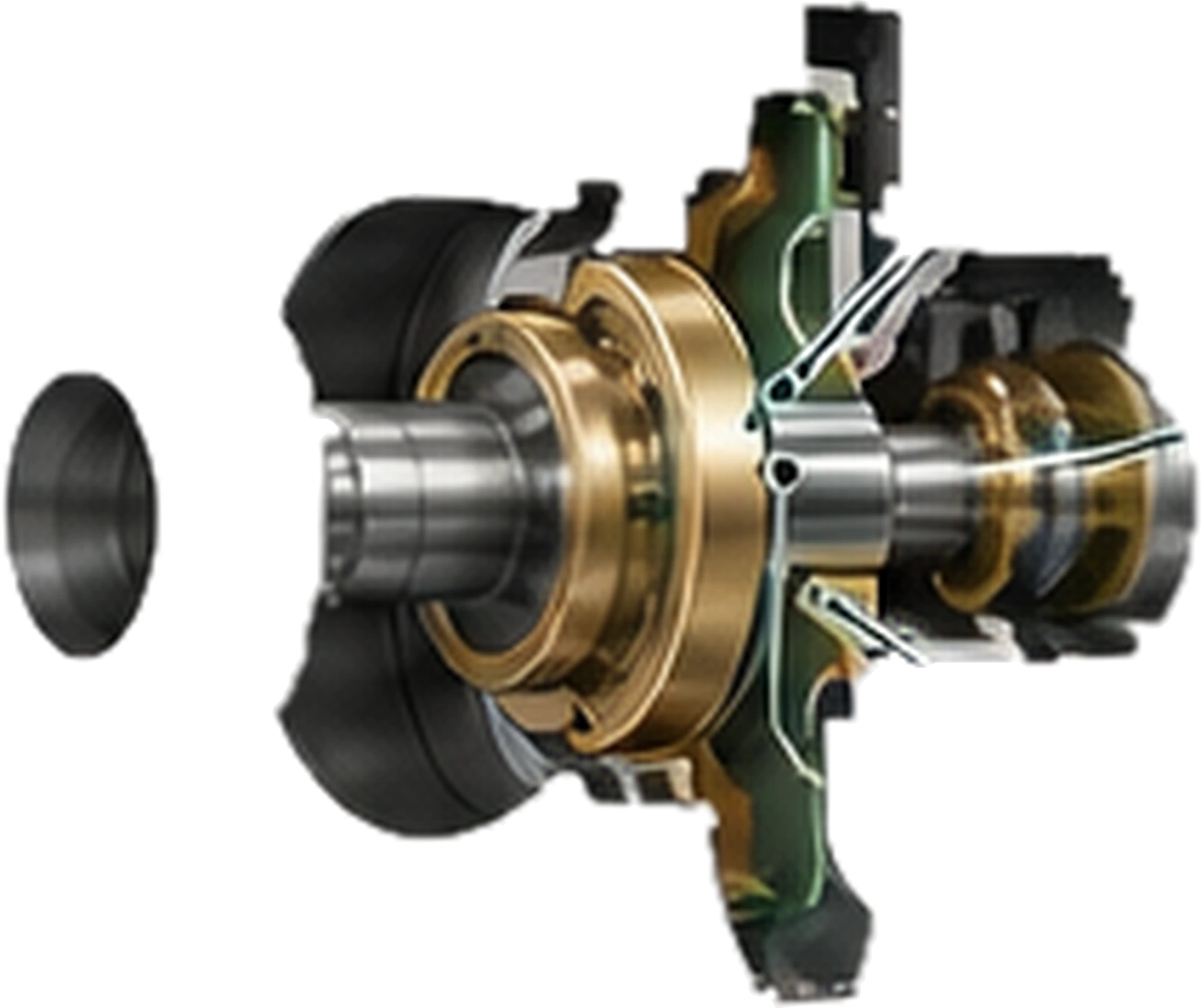
Start with the assembly
Record equipment tag, model, location and part reference. Use a marked assembly drawing where possible. The plant’s informal component name may not match a supplier’s terminology, so the assembly context can resolve ambiguity faster than a description alone.
If a drawing is missing, identify what is available: a used sample, photographs, maintenance record or part number. These support initial review but do not by themselves constitute an approved manufacturing definition.
The component families covered here
- Shaft sleeves: identify the bore, working surfaces, shoulders and locating features.
- Casing and impeller wear rings: specify ring location, mating references and clearance basis.
- Selected bushings: establish function, assembly location and controlled features.
These are the listed families covered by this enquiry route. Complete pumps, impellers, seals, bearings and other parts require a specific capability response. Educational references to the wider assembly do not add products to the catalogue.
Separate replacement from modification
A like-for-like replacement follows the applicable approved definition. A compatible alternative needs evidence against the actual requirements, not just similar appearance. A custom part introduces an agreed drawing or change with a clear approval responsibility.
Changing wear ring material to improve availability is a proposed substitution even when dimensions remain the same. Use the material review guide before treating it as equivalent. Ask the quotation to identify the offered configuration and any open approval conditions.
Compare cost on equal terms
Give bidders the same drawing revision, quantity, inspection and delivery requirements. Ask whether treatments, reports and packing are included. A low unit price is not a meaningful comparison when another bidder includes work the first excludes.
For an urgent part, identify what starts lead time and compare arrival at the plant. Dispatch and arrival are different milestones. The quotation guide includes a simple cost example to explain this comparison.
Prepare for receiving and repeat orders
Agree how parts and records will be identified. Keep the drawing revision, quantities and accepted deviations consistent across the order pack. For split shipments, identify the delivered portion. This enables the receiving team to assess the shipment without reconstructing the full email history.
Retain the approved pack for replenishment. Before reordering, check that it remains current and whether a prior exception was temporary. This makes Indian and international procurement more repeatable without inventing stock or delivery promises.
Questions buyers ask
Can I order from outside dimensions alone?
Those dimensions may start identification, but material, tolerances and working interfaces usually remain unresolved.
How do overseas buyers enquire?
Send the technical definition and destination. Review international procurement planning for the additional handovers.
Further reading
KSB’s pump lexicon provides terminology for the wider assembly. The sourcing workflow above is original purchasing guidance.
Explore Products & Scope and Technical Capability for the business enquiry context.
Aftermarket pump spares and specialized replacement internals
An aftermarket alternative to an OEM centrifugal pump spare needs a documented basis for interchangeability. Compare drawings, mating interfaces, material, heat treatment and inspection requirements; similar appearance or a cross-reference alone is insufficient. A proposed alternative should receive the buyer’s required engineering approval.
Multistage, slurry-pump and impeller enquiries
Multistage centrifugal pump replacement internals need assembly-position and interface information. Slurry pump shaft sleeves and wear components require a clear description of the duty and wear observations rather than an assumption that a general-purpose part will suit mining service. These specialized requests are subject to technical and supply-scope review.
For dynamically balanced pump impellers, specify the applicable standard, balancing assembly condition and acceptance criteria. ISO 1940-1 is withdrawn and has been replaced by ISO 21940-11; legacy drawings should be reviewed against the contractual requirement instead of silently changing the standard. Impeller supply and balancing capability must be confirmed for the enquiry.
Technical reference: Read the applicable primary-source scope or designation.